

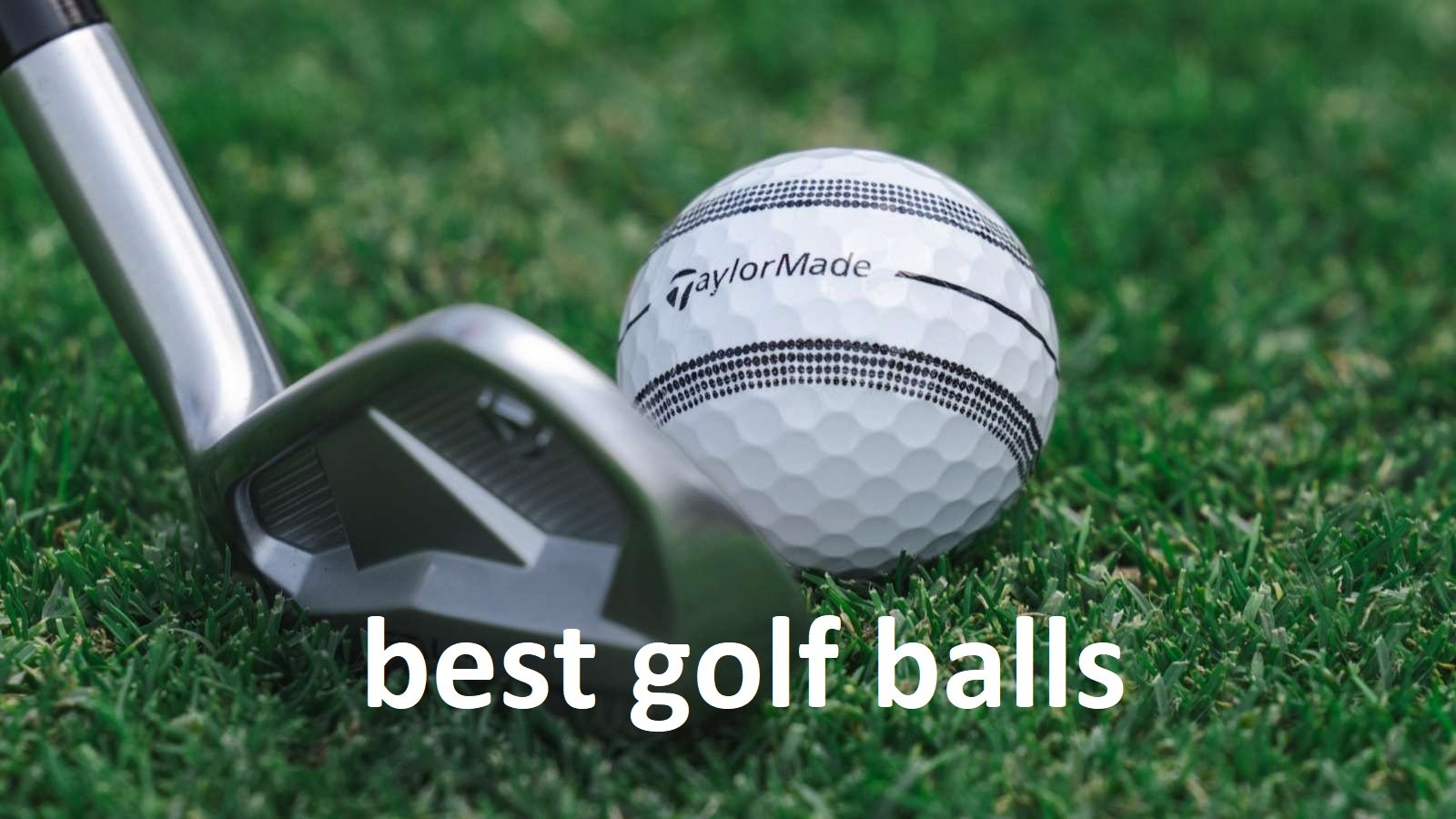
Best Golf Balls might look simple from the outside, but anyone who’s spent time on the course knows that every small detail matters. One of the most overlooked factors in improving your performance is the golf ball itself. Choosing the best golf balls isn’t just about picking a popular brand—it’s about finding the one that matches your skill level, swing speed, and playing style.
In this guide, we’ll break everything down in a clear, practical way so you can make a smart choice without overthinking it.
Why Choosing the Right Golf Ball Matters
Many golfers assume all Best Golf Balls perform the same, but that couldn’t be further from the truth. The type of ball you use can significantly affect your distance, control, and overall feel. A beginner using a high-end tour ball might actually lose distance, while an experienced player using a basic ball may struggle with spin control.
The construction of a golf ball—its core, layers, and cover—directly impacts how it reacts when struck. Some balls are designed for maximum distance with low spin, while others focus on control and precision around the greens. That’s why selecting the right ball can instantly improve your consistency without changing your swing.
Another key factor is confidence. When you trust your equipment, you play more freely. The right golf ball gives you predictable performance, which helps you focus on your technique rather than worrying about how the ball will behave.
Types of Golf Balls Explained
Best Golf Balls are not one-size-fits-all. They are generally categorized based on their construction, and each type serves a different purpose depending on your level of play.
Two-piece golf balls are the most common and are ideal for beginners. They consist of a solid core and a durable outer cover. These balls are designed for distance and durability, making them perfect for players who are still developing consistency.
Multi-layer golf balls, often used by intermediate and advanced players, offer more control. They typically include additional layers that help generate spin and improve feel, especially on short shots. This makes them a great option for golfers looking to fine-tune their game.
Tour-level balls are designed for professionals or low-handicap players. They provide exceptional control, spin, and feel but require a higher swing speed to perform effectively. If used by beginners, they may actually reduce performance rather than enhance it.
Key Factors to Consider When Buying Golf Balls
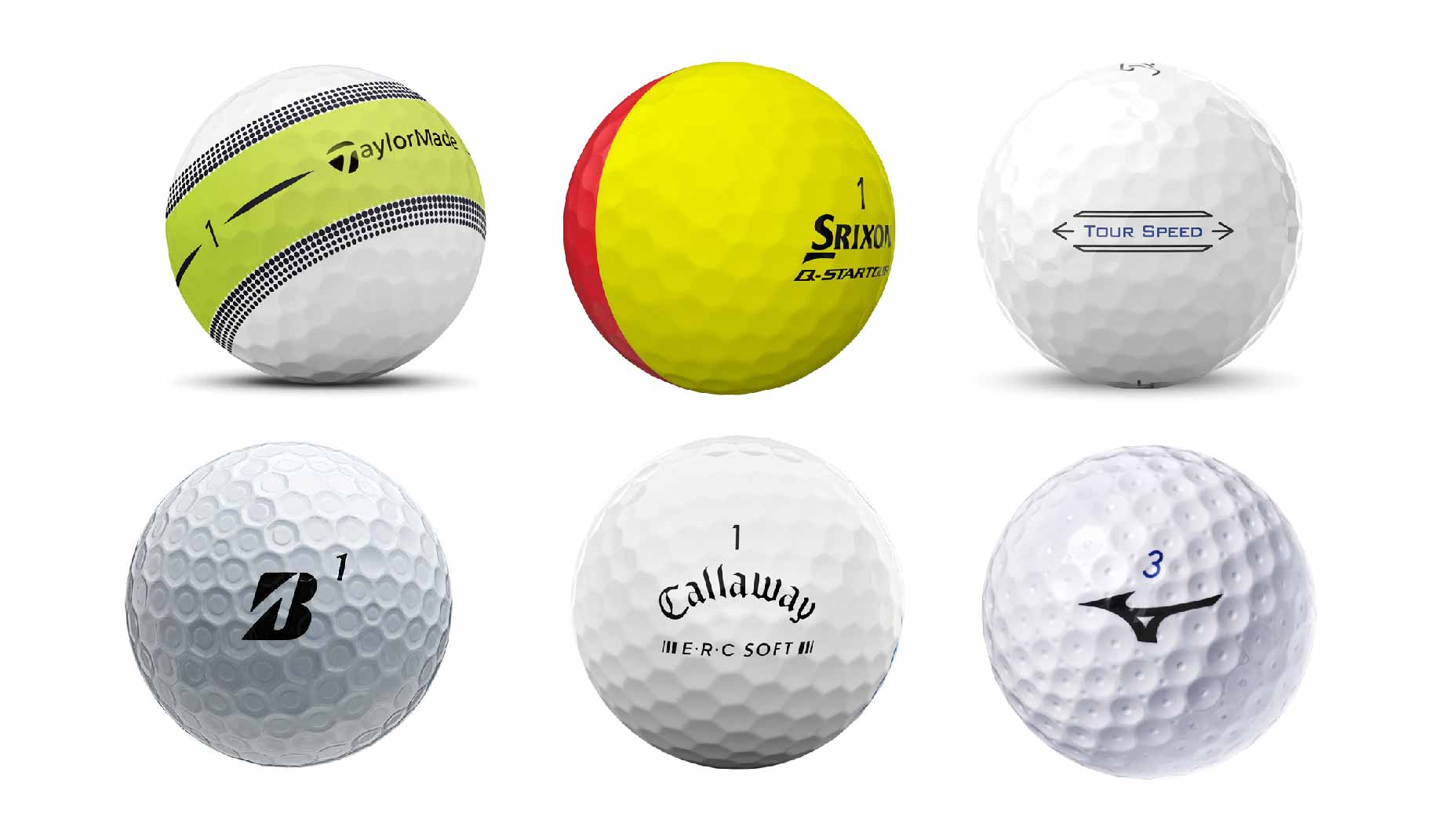
When shopping for the Best Golf Balls, there are several important factors you should keep in mind. Ignoring these can lead to poor performance even if you buy a premium product.
First is compression. Golf ball compression refers to how much the ball compresses when struck. Low compression balls are softer and better for players with slower swing speeds, while high compression balls suit faster swings. Choosing the right compression ensures optimal distance and control.
Next is spin rate. High-spin balls offer more control, especially around the greens, but they can also exaggerate mistakes like slices or hooks. Low-spin balls help reduce these errors and are more forgiving for beginners.
Finally, consider feel and durability. Some golfers prefer a soft feel for better feedback, while others like a firmer feel for distance. Durability also matters, especially if you play frequently. A ball that wears out quickly can cost you more in the long run.
Best Golf Balls for Beginners
If you’re just starting out, your main focus should be forgiveness and distance. You don’t need a ball that offers extreme spin control because your priority is hitting straighter and longer shots.
Beginner-friendly golf balls are usually low compression and low spin. This combination helps reduce side spin, making your shots straighter even if your swing isn’t perfect. It also helps you achieve better distance with less effort.
Another advantage of beginner balls is durability Best Golf Balls. Since new players tend to lose balls more often, it makes sense to choose affordable options that still perform well. You can always upgrade later as your skills improve.
Best Golf Balls for Intermediate Players
Once you’ve gained some consistency Best Golf Balls, it’s time to look for a ball that offers a balance between distance and control. Intermediate players benefit from multi-layer balls that provide more spin and feel without sacrificing too much forgiveness.
At this level, your short game becomes more important. A ball that allows better control around the greens can help you lower your score significantly. This is where mid-range golf balls shine—they give you the flexibility to shape shots and improve accuracy.
You’ll also start noticing differences in feel. Choosing a ball that matches your preference can enhance your overall playing experience and boost your confidence during important shots.
Best Golf Balls for Advanced Players
Advanced golfers need precision, consistency, and maximum control. Tour-level golf balls are designed to deliver exactly that, offering high spin rates and exceptional feel.
These balls allow experienced players to shape shots, control trajectory, and execute delicate shots around the green. However, they require a higher swing speed to unlock their full potential. Without it, you may not see the benefits.
Another key advantage is feedback. Advanced balls provide clear feedback on every shot, helping skilled players fine-tune their performance. For serious golfers, this level of detail can make a big difference in competitive play.
Common Mistakes to Avoid When Choosing Golf Balls
One of the biggest mistakes golfers make is choosing a ball based on brand popularity rather than personal needs. Just because a professional uses a certain ball doesn’t mean it’s right for you.
Another common error is ignoring swing speed. Using a ball with the wrong compression can reduce both distance and accuracy. It’s always better to match the ball to your swing rather than forcing your swing to match the ball.
Lastly, many players switch balls too often. Consistency is key in golf, and constantly changing your equipment can make it harder to improve. Once you find a ball that works for you, stick with it and learn how it behaves in different situations.
Final Thoughts
Finding the best golf balls doesn’t have to be complicated. It all comes down to understanding your game and choosing a ball that complements it. Whether you’re a beginner looking for distance or an advanced player seeking control, there’s a perfect option out there for you.
Take the time to test a few different types, pay attention to how they feel and perform, and stick with what works. The right golf ball won’t just improve your shots—it will make the entire game more enjoyable.
