

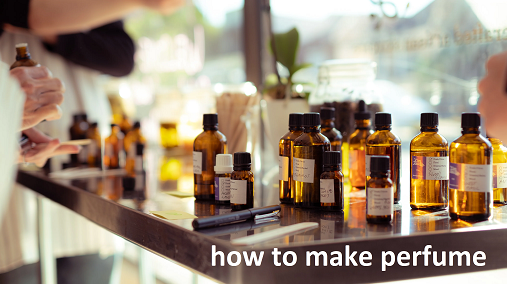
How to Make Perfume Creating your own perfume is not just a fun DIY activity—it’s an art form that combines creativity, science, and personal expression. Whether you want a signature scent or simply enjoy experimenting with fragrances, learning how to make perfume can be incredibly rewarding.
In this guide, I’ll walk you through everything step by step in a simple yet expert way, so you can confidently craft your own fragrance at home.
Understanding the Basics of Perfume Making
Before jumping into the process, it’s important to understand what perfume actually is. At its core, How to Make Perfume is a mixture of essential oils, alcohol (or carrier oil), and sometimes water. These ingredients blend together to create a unique scent profile.
Perfumes are structured in layers known as notes. These include top notes, middle (heart) notes, and base notes. Top notes are the first impression—light and fresh—but they fade quickly. Middle notes form the core of the fragrance, while base notes are deep, long-lasting scents that anchor the perfume.
Understanding this structure helps you design a balanced fragrance. A well-made perfume doesn’t smell the same from start to finish—it evolves over time, which is exactly what makes it interesting and professional.
Essential Ingredients You’ll Need
To make perfume at home How to Make Perfume, you don’t need expensive equipment, but the quality of your ingredients matters a lot. The better the ingredients, the better your final scent will be.
First, you’ll need essential oils. These are the heart of your perfume. Popular choices include lavender, rose, sandalwood, jasmine, vanilla, citrus oils, and more. Each oil belongs to a category—top, middle, or base—which helps in blending.
Second, you’ll need a carrier. This can be alcohol (like vodka or perfumer’s alcohol) or a carrier oil such as jojoba or sweet almond oil. Alcohol-based perfumes are stronger and more traditional, while oil-based perfumes are softer and longer-lasting on the skin.
Lastly, you may need distilled water and fixatives. Fixatives help your scent last longer by slowing down evaporation. Natural fixatives include ingredients like vanilla or musk-like oils.
Tools and Equipment Required
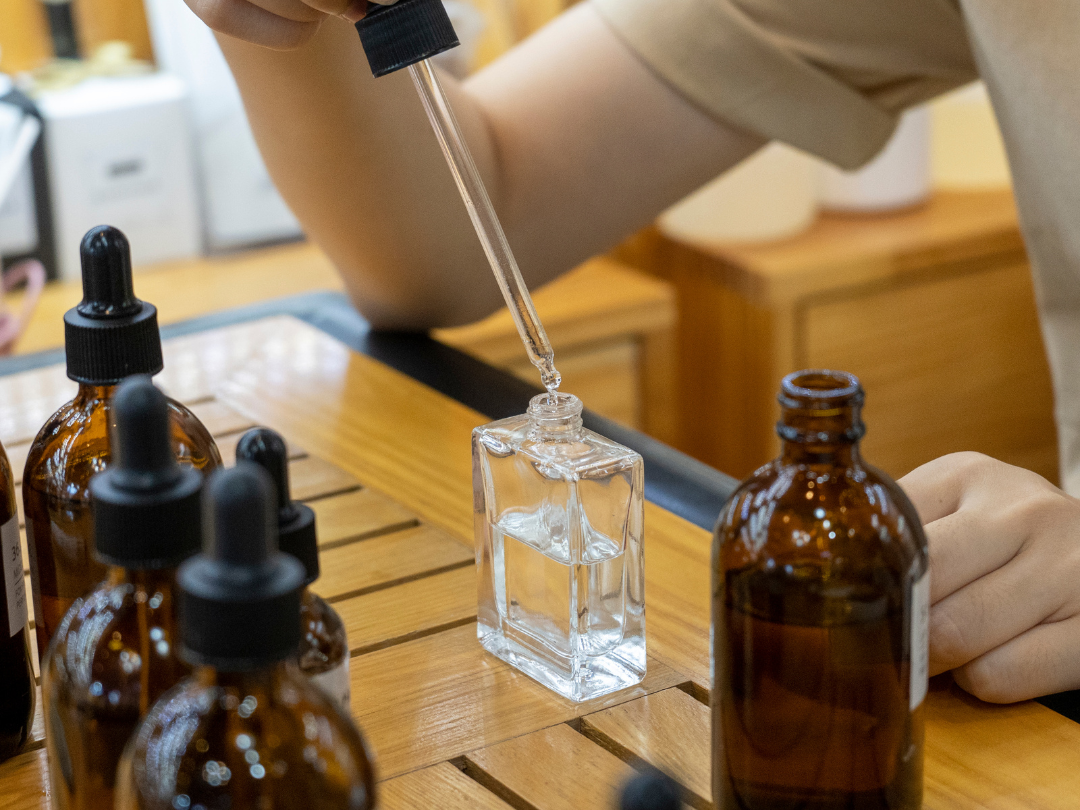
How to Make Perfume doesn’t require a full lab, but having the right tools will make the process smoother and more precise.
You’ll need small glass bottles or vials for mixing and storing your perfume. Glass is preferred because it doesn’t react with essential oils like plastic can. Droppers or pipettes are also essential for controlling the number of drops you add.
Additionally, keep some blotter strips or plain paper on hand. These allow you to test your fragrance as you build it, without applying it directly to your skin. A notebook is also helpful for recording your formulas so you can recreate or improve them later.
Working cleanly and staying organized is key. Perfume making is as much about precision as it is about creativity.
Step-by-Step Process to Make Perfume
Now comes the exciting part—actually creating your perfume. Start by choosing your essential oils based on the note structure. A common ratio is 30% top notes, 50% middle notes, and 20% base notes.
Begin by adding your base notes first, followed by the middle notes, and finally the top notes. This layering helps you build a well-balanced fragrance. Use a dropper to control the amount and mix slowly.
Once your oil blend is ready, add it to your carrier. If you’re using alcohol, a typical ratio is about 20–30% essential oil blend and 70–80% alcohol. Shake the mixture gently to combine everything.
Finally, let your perfume sit for at least 48 hours, though a few weeks is ideal. This aging process, also called maturation, allows the scents to blend properly and develop depth.
Tips for Creating a Unique Signature Scent
Creating a signature scent is all about experimentation and personal taste. Don’t be afraid to try unusual combinations—you might discover something truly unique.
Start simple by combining just two or three oils, then gradually experiment with more complex blends. Pay attention to how the scent changes over time, not just how it smells immediately after mixing.
Also, test your perfume on your skin. Body chemistry can affect how a fragrance smells How to Make Perfume, so what works on paper might smell different when worn. Adjust your formula based on these observations to refine your scent.
Common Mistakes to Avoid
One of the most common mistakes beginners make is adding too many essential oils at once. This can create an overwhelming and unbalanced scent. It’s always better to start small and build gradually.
Another mistake is skipping the aging process. Freshly mixed perfume often smells harsh or incomplete. Giving it time to mature significantly improves the final result.
Lastly, avoid using low-quality ingredients. Cheap oils may not blend well and can ruin the overall fragrance. Investing in good-quality essential oils makes a noticeable difference.
Final Thoughts
Learning how to make perfume is a creative journey that combines art and technique. With the right ingredients, a bit of patience, and some experimentation, you can craft a scent that truly reflects your personality.
The best part is that there are no strict rules—only guidelines How to Make Perfume. Once you understand the basics, you can explore endless combinations and create something completely your own.
So go ahead, start mixing, and enjoy the process. Your perfect signature fragrance might be just a few drops away.
