

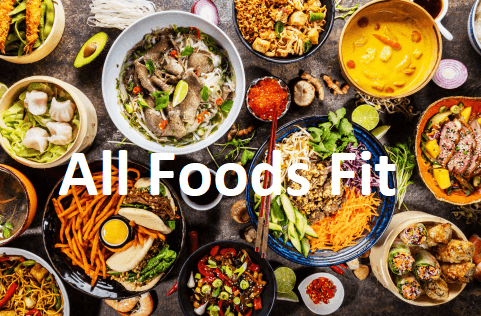
Introduction to the “All Foods Fit” Philosophy
The concept of “all foods fit” is a modern and flexible approach to nutrition that focuses on balance rather than restriction. Instead of labeling foods as strictly “good” or “bad,” this mindset encourages individuals to see all foods as part of a larger dietary pattern. It promotes moderation, awareness, and sustainability in eating habits, which can lead to a healthier relationship with food overall.
At its core, this philosophy recognizes that no single food is inherently harmful when consumed in appropriate portions. Even foods traditionally considered indulgent—such as desserts, fast food, or processed snacks—can be enjoyed without guilt when incorporated thoughtfully into a balanced diet. This helps remove the psychological burden often associated with strict dieting.
Another key idea behind “all foods fit” is long-term consistency. Rather than following extreme diets that are difficult to maintain, this approach encourages realistic eating habits that people can sustain over time. By doing so, it supports not only physical health but also mental well-being, reducing stress and food-related anxiety.
Understanding Balance and Moderation
Balance is one of the most important principles of the “all foods fit” philosophy. It means including a variety of nutrients in your daily meals while still allowing room for foods you enjoy. A balanced diet typically includes fruits, vegetables, whole grains, proteins, and healthy fats, along with occasional treats.
Moderation plays an equally important role. Instead of eliminating certain foods completely, the idea is to consume them in controlled portions. For example, having a slice of cake after a nutritious meal is very different from relying on sugary foods as a primary source of calories. Moderation helps prevent overconsumption while still satisfying cravings.
This approach also helps avoid the “all-or-nothing” mindset that often leads to dieting failure. When people feel deprived, they are more likely to binge or abandon their eating plans altogether. By allowing flexibility, “all foods fit” creates a healthier and more realistic framework for managing daily nutrition.
The Psychological Benefits of All Foods Fit

One of the most powerful aspects of this philosophy is its positive impact on mental All Foods Fit health. Restrictive diets often create feelings of guilt, shame, or failure when individuals eat foods they consider “off-limits.” The “all foods fit” mindset eliminates these negative emotions by removing strict food rules.
When no food is forbidden, people tend to feel more in control of their choices. This sense of autonomy can reduce stress and improve overall satisfaction with eating habits. Instead of obsessing over what they “can’t” eat, individuals focus on making mindful decisions based on hunger, preferences, and nutritional needs.
Additionally, this approach can improve one’s relationship with food. Eating becomes an enjoyable and stress-free activity rather than a source of anxiety. Over time, this can lead to more intuitive eating habits, where individuals naturally regulate their food intake based on internal cues rather than external restrictions.
Nutritional Awareness and Smart Choices
While “all foods fit” promotes flexibility, it does not ignore the importance of nutrition. Instead, it encourages individuals to make informed and thoughtful choices about what they eat. Understanding the nutritional value of different foods helps maintain a healthy balance without strict rules.
For example, nutrient-dense foods like vegetables, lean proteins, and whole grains should still form the foundation of a healthy diet. These foods provide essential vitamins, minerals, and energy that support overall well-being. At the same time, less nutrient-dense foods can be included in smaller portions to satisfy cravings.
Being mindful of portion sizes and frequency is key. It’s not just about what you eat, but how much and how often. By paying attention to these factors, individuals can enjoy a wide variety of foods while still maintaining their health goals. This creates a practical and sustainable way of eating that fits into everyday life.
Practical Ways to Apply the All Foods Fit Approach
Implementing the “all foods fit” philosophy in daily life starts with planning and awareness. One effective strategy is to build meals that are nutritionally balanced while leaving room for flexibility. For instance, you might include a protein source, healthy fats, and fiber-rich carbohydrates in your meals, followed by a small treat if desired.
Another practical tip is to practice mindful eating. This involves paying attention to hunger and fullness cues, eating slowly, and truly enjoying the food you consume. Mindful eating helps prevent overeating and allows you to appreciate a wide range of foods without guilt.
It’s also helpful to avoid labeling foods as “good” or “bad.” Instead, think of foods on a spectrum of frequency and quantity. Some foods may be eaten more often due to their nutritional benefits, while others are enjoyed occasionally. This perspective supports a more realistic and less restrictive approach to eating.
Common Misconceptions About All Foods Fit
A common misconception is that “all foods fit” means you can eat anything in unlimited amounts. This is not true. The philosophy is about balance and moderation, not excess. Overeating, even of healthier foods, can still lead to negative health outcomes.
Another misunderstanding is that this approach promotes unhealthy eating habits. In reality, when applied correctly, it encourages better awareness and more thoughtful food choices. It shifts the focus from restriction to responsibility, helping individuals take control of their dietary habits in a sustainable way.
Some people also believe that this philosophy is too lenient to be effective. However, research and practical experience show that flexible dieting approaches are often more sustainable than strict ones. By allowing occasional indulgences, individuals are more likely to stick to their eating patterns long term.
Conclusion: Building a Sustainable Relationship with Food
The “all foods fit” philosophy offers a refreshing alternative to restrictive dieting by emphasizing balance, moderation, and flexibility. It encourages individuals to enjoy a wide variety of foods without guilt while still maintaining a focus on overall nutrition and well-being.
By adopting this mindset, people can develop a healthier relationship with food—one that is free from unnecessary restrictions and negative emotions. It promotes consistency over perfection and sustainability over short-term results, making it a practical choice for long-term health.
Ultimately, “all foods fit” is not just a diet strategy but a lifestyle approach. It empowers individuals to make informed choices, enjoy their meals, and maintain a balanced diet that supports both physical and mental health.
