


Maintaining Prostate Health Foods is an important part of men’s overall well-being, especially as they age. While regular checkups and a healthy lifestyle matter, diet plays a powerful role in supporting prostate function and reducing the risk of common issues like inflammation and enlargement. Choosing the right foods can help nourish the body, balance hormones, and promote long-term urinary and reproductive health.
In this article, we’ll explore some of the best foods for Prostate Health Foods, why they work, and how you can easily include them in your daily routine.
Tomatoes and Lycopene-Rich Foods
Tomatoes are one of the most well-known foods linked to Prostate Health Foods, primarily because they are rich in an antioxidant called lycopene. Lycopene helps protect cells from damage caused by free radicals, which can contribute to inflammation and abnormal cell growth in the prostate. Cooking tomatoes, such as in sauces or soups, actually increases the availability of lycopene, making it easier for the body to absorb.
Including tomato-based foods in your diet several times a week can be beneficial. Items like tomato soup, pasta sauce, and roasted tomatoes are all excellent options. Pairing tomatoes with a small amount of healthy fat, such as olive oil, can further enhance lycopene absorption.
It’s also worth noting that other red and pink fruits like watermelon and pink grapefruit contain lycopene as well. While tomatoes remain the most concentrated source, variety in your diet ensures a broader range of nutrients that support overall Prostate Health Foods.
Cruciferous Vegetables
Cruciferous vegetables such as broccoli Prostate Health Foods, cauliflower, cabbage, and Brussels sprouts are powerful additions to a prostate-friendly diet. These vegetables contain compounds called glucosinolates, which break down into biologically active substances that may help detoxify harmful compounds in the body and support cellular health.
Regular consumption of cruciferous vegetables has been associated with reduced risk of prostate-related issues. Broccoli, in particular, contains sulforaphane, a compound that may help protect prostate cells and reduce inflammation. Steaming these vegetables lightly helps preserve their beneficial compounds while making them easier to digest.
Incorporating cruciferous vegetables into meals is simple. You can add them to stir-fries, salads, or side dishes. Even blending them into smoothies or soups is a great way to increase intake without drastically changing your diet.
Healthy Fats and Omega-3 Sources
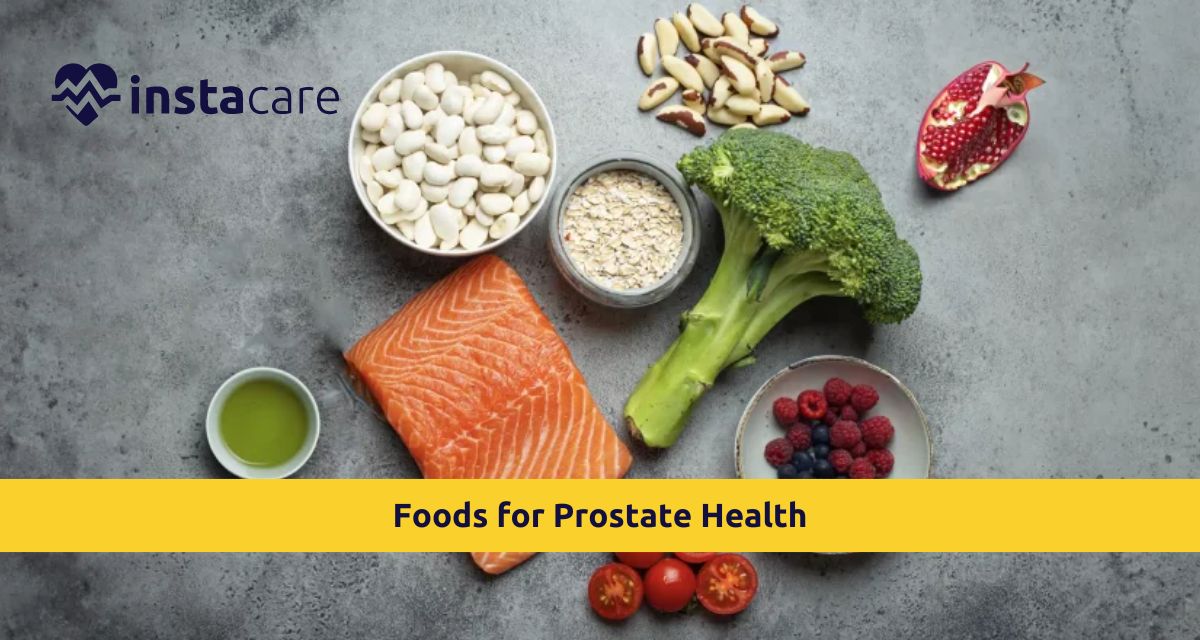
Not all fats are harmful—healthy fats, especially omega-3 fatty acids Prostate Health Foods, play an important role in reducing inflammation and supporting hormonal balance. Foods like fatty fish (salmon, sardines, mackerel), walnuts, flaxseeds, and chia seeds are excellent sources of omega-3s.
Omega-3 fatty acids may help reduce inflammation in the prostate and improve overall cellular function. Replacing saturated fats and trans fats with healthier fat sources can contribute to better long-term Prostate Health Foods and reduce the risk of chronic conditions.
Adding fish to your meals a couple of times per week is a practical approach. For plant-based options, flaxseeds and chia seeds can be sprinkled over yogurt, oatmeal, or smoothies. A balanced intake of healthy fats supports not only the prostate but also heart and brain health.
Berries and Antioxidant-Rich Fruits
Berries such as blueberries, strawberries, raspberries, and blackberries are packed with antioxidants, vitamins, and fiber. These compounds help combat oxidative stress, which is one of the contributing factors to prostate cell damage and inflammation.
The high levels of vitamin C and polyphenols found in berries support immune function and help reduce inflammation throughout the body. Regular consumption of these fruits may also contribute to better urinary health and overall vitality.
Berries are easy to include in daily meals. You can add them to breakfast cereals, yogurt, smoothies, or enjoy them as a snack. Fresh or frozen berries both retain their nutritional value, making them a convenient and versatile option year-round.
Nuts and Seeds for Mineral Support
Nuts and seeds, including pumpkin seeds, sunflower seeds, almonds, and walnuts, are rich in essential minerals like zinc and magnesium, which are important for Prostate Health Foods. Zinc, in particular, is highly concentrated in the prostate and plays a key role in maintaining its proper function.
Pumpkin seeds are especially beneficial because they contain compounds that may help support urinary function and reduce symptoms associated with prostate enlargement. They are also a good source of healthy fats and antioxidants.
A small handful of nuts or seeds as a daily snack can make a meaningful difference. They can also be added to salads, oatmeal, or baked goods. Moderation is key, as nuts are calorie-dense, but their nutrient profile makes them a valuable part of a prostate-friendly diet.
Green Tea and Hydrating Beverages
Green tea is widely recognized for its antioxidant properties, particularly due to compounds called catechins. These antioxidants may help protect prostate cells and reduce inflammation, contributing to better overall Prostate Health Foods.
In addition to green tea, staying properly hydrated is essential for urinary tract function. Water helps flush out toxins and supports the normal functioning of the kidneys and bladder, which are closely related to Prostate Health Foods.
Replacing sugary beverages with green tea or water can have a positive impact over time. Drinking a cup or two of green tea daily can be a simple yet effective habit for supporting prostate wellness while also improving overall health.
Conclusion
Supporting Prostate Health Foods through diet is a practical and proactive approach that can make a significant difference over time. Foods rich in antioxidants, healthy fats, vitamins, and minerals all contribute to reducing inflammation and maintaining proper prostate function.
By incorporating tomatoes, cruciferous vegetables, omega-3 sources, berries, nuts, seeds, and green tea into your daily meals, you create a balanced and nutrient-rich diet that benefits not only the prostate but your overall health as well. Consistency is key, and small dietary improvements can lead to meaningful long-term results.
A mindful eating pattern, combined with regular exercise and medical checkups, forms a strong foundation for maintaining Prostate Health Foods throughout life.
